
Camelback East Village Leaf Removal Services
Choose our expert leaf removal service for hassle-free, thorough cleanup that keeps your yard healthy, beautiful, and ready for every season.
Get a Free QuoteOur Camelback East Village Landscaping & Yard Care Services
When to Schedule Leaf Removal in Camelback East Village, Arizona – Seasonal Guide
In Camelback East Village, the timing of leaf removal is closely tied to our unique Sonoran Desert climate and the diverse landscapes found in neighborhoods like Arcadia, Biltmore, and the areas surrounding Piestewa Peak. The optimal periods for leaf removal are typically late fall through early winter, when deciduous trees such as ash, elm, and mulberry shed their leaves most heavily. However, the timing can shift depending on microclimates—homes near the Arizona Canal or shaded by mature palms and mesquites may experience leaf drop at different rates.
Local environmental factors play a significant role in determining the best schedule for leaf removal. For example, the first frost in Camelback East Village usually occurs in late December, signaling the end of the leaf drop season. Drought risk and low humidity can cause leaves to dry and accumulate quickly, increasing fire risk and impacting soil health. Properties with dense shade or clay-heavy soils, common in the Arcadia area, may require more frequent service to prevent mold and maintain healthy turf. For more information on local environmental guidelines, visit the Sudbury municipal resource.
Local Factors to Consider for Leaf Removal in Camelback East Village
- Tree density and species (ash, elm, mulberry, palm)
- Proximity to landmarks like Arizona Canal or Piestewa Peak
- Soil type (clay-heavy vs. sandy)
- Shade coverage and microclimates
- Seasonal precipitation and drought conditions
- Municipal restrictions on yard waste disposal
- Terrain and accessibility of your property
Benefits of Leaf Removal in Camelback East Village
Enhanced Curb Appeal
Healthier Lawns and Gardens
Prevention of Pest Infestations
Improved Safety and Accessibility
Efficient and Reliable Service
Eco-Friendly Disposal Practices
Camelback East Village Leaf Removal Types

Seasonal Leaf Cleanup
Efficient removal of fallen leaves during peak seasons to maintain a tidy landscape.
-
Curbside Leaf Collection
Gathering and collecting leaves at the curb for municipal or private pickup services.
-
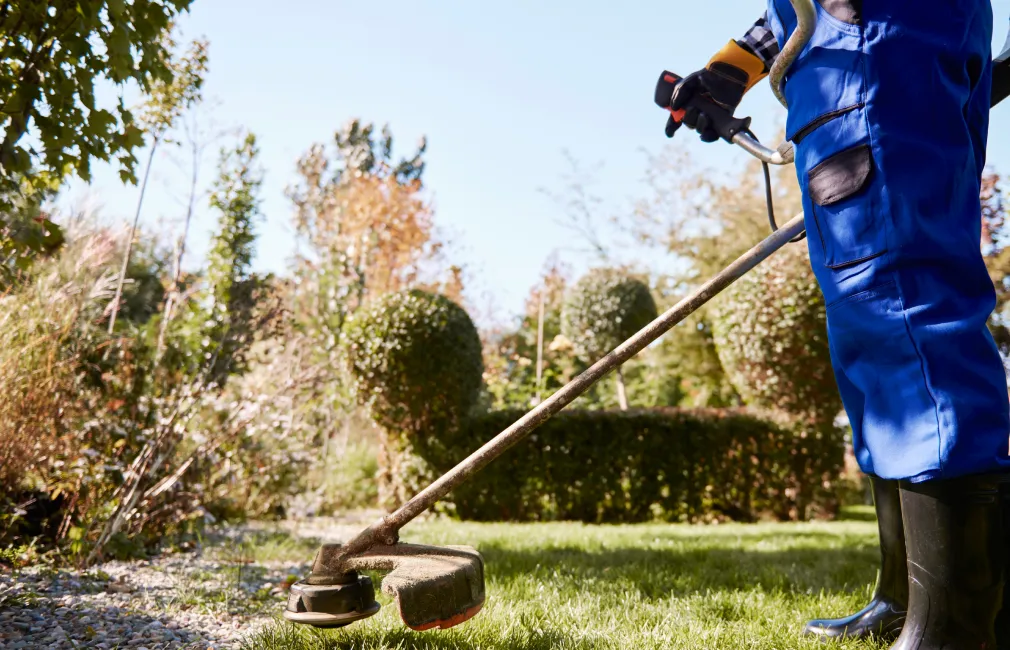
Lawn Leaf Blowing
Using blowers to clear leaves from lawns, driveways, and walkways for a neat appearance.
-
Garden Bed Leaf Removal
Careful extraction of leaves from flower beds and garden areas to protect plant health.
-
Leaf Mulching Services
Shredding and repurposing leaves as mulch to enrich soil and reduce waste.
-
Gutter Leaf Clearing
Removing leaves and debris from gutters to prevent blockages and water damage.
Our Leaf Removal Process
Site Evaluation
Debris Gathering
Leaf Collection
Final Cleanup
Why Choose Camelback East Village Landscape Services
-
Camelback East Village Homeowners Trust Us
-
Expert Lawn Maintenance
-
Reliable Irrigation Solutions
-
Competitive Pricing
-
Professional Team
-
Satisfaction Guarantee
-
Personalized Service
Coordinating Leaf Removal with Camelback East Village's Municipal Green Waste Programs
Camelback East Village falls within the City of Phoenix's solid waste service area, and residents must follow municipal guidelines when disposing of accumulated leaf debris. Phoenix provides scheduled bulk trash collection on a neighborhood-by-neighborhood basis, and green waste—including leaves, small branches, and organic yard debris—must be placed curbside within designated collection windows. Property owners and managers should verify their specific pickup schedule through the city's solid waste division to avoid placing material too early or missing the collection period.
- Leaves and organic debris must be kept out of streets, curb inlets, and storm drains between collection periods
- Green waste should be separated from household trash and non-organic bulk items
- Commercial properties and multi-family complexes may need to arrange private hauling rather than relying on residential bulk pickup
For questions about collection schedules, container requirements, or disposal of large volumes of leaf material, contact the responsible municipal department directly.
Phoenix Public Works Department
200 W. Washington St., Phoenix, AZ 85003
Official Website: Phoenix Public Works Department
How Camelback East Village's Desert Heat and Soil Conditions Affect Leaf Removal
Camelback East Village sits squarely in the Phoenix metro low desert, classified within USDA Hardiness Zone 10a–10b. This environment creates leaf removal conditions that differ substantially from temperate climates. Rather than a single autumn leaf drop, many common landscape trees in the area—including African sumac, Aleppo pine, mesquite, palo verde, and various ficus species—shed leaves at irregular intervals throughout the year, with notable drops occurring in late winter through spring and again following monsoon stress.
- Alkaline, calcium-carbonate-rich soils cause fallen leaves to dry rapidly, creating lightweight debris that scatters easily across hardscape and into drainage channels
- Caliche layers near the surface limit organic matter absorption, meaning leaf litter accumulates on top of compacted ground rather than decomposing into the soil profile
- Monsoon season (typically mid-June through September) generates sudden high winds and intense rainfall that can wash accumulated leaf debris into washes, retention basins, and storm-drain inlets throughout the village
- Reflected heat from block walls, concrete driveways, and decomposed granite surfaces accelerates leaf desiccation, producing fine particulate matter that contributes to dust and can clog irrigation emitters
Understanding these conditions helps property owners time leaf removal efforts to prevent drainage obstruction and maintain functional irrigation systems.
Navigating Camelback East Village's Stormwater and Environmental Compliance for Leaf Removal
Leaf removal in Camelback East Village carries regulatory implications tied to stormwater quality and municipal code compliance. The City of Phoenix operates under a Phase II Municipal Separate Storm Sewer System (MS4) permit administered by the Arizona Department of Environmental Quality. Under this framework, organic debris—including leaves—must not be swept, blown, or deposited into storm drains, curb inlets, washes, or flood-control channels, as decomposing organic matter degrades water quality and contributes to nutrient loading in downstream waterways, consistent with Clean Water Act objectives.
- Blowing or raking leaves into streets or drainage infrastructure may constitute an illicit discharge under the city's stormwater program
- Properties adjacent to the Arizona Canal, Indian Bend Wash, or local retention basins should exercise particular care to prevent leaf debris from entering these corridors
- Landscape contractors performing leaf removal on commercial or HOA-managed properties should be prepared to document proper disposal methods if questioned during code compliance inspections
Phoenix Office of Environmental Programs
200 W. Washington St., Phoenix, AZ 85003
Official Website: Phoenix Office of Environmental Programs
Property managers overseeing sites near washes or engineered drainage channels should also coordinate with the city's engineering division to understand any site-specific drainage protection requirements.
Phoenix City Engineer
200 W. Washington St., Phoenix, AZ 85003
Official Website: Phoenix City Engineer
Timing and Methods for Professional Leaf Removal in Camelback East Village
Effective leaf removal in the low desert requires scheduling aligned with the area's distinct seasonal patterns rather than a single fall cleanup. Professional standards for Camelback East Village properties typically follow this framework:
- Late February through April: Peak leaf drop for many deciduous and semi-deciduous species, including ficus, mulberry (where still present), and African sumac; this period demands the most intensive removal effort
- Pre-monsoon (May–June): A critical window to clear accumulated leaf debris from drainage paths, retention basin inlets, roof gutters, and landscape drains before summer storms arrive
- Post-monsoon (September–October): Storm-deposited leaf material should be collected promptly to prevent mold growth in irrigated turf areas and to restore drainage flow
- Equipment selection: Backpack blowers and vacuum systems are standard for residential lots; debris should be consolidated into bags or bins rather than piled in streets or along curb lines
- Irrigation coordination: Leaf removal should be scheduled before or between irrigation cycles to avoid working with wet, matted debris that is heavier to handle and more likely to clog collection equipment
The University of Arizona Cooperative Extension provides additional guidance on managing organic debris around turf and landscape beds in low-elevation Arizona settings.
What Neighborhoods Do We Serve Throughout Camelback East Village, AZ?
- Arcadia: Mature citrus groves and large shade trees on older irrigated lots produce significant seasonal leaf litter requiring frequent removal cycles
- Biltmore Area: Established landscaping with dense canopy trees along private drives and common areas generates concentrated leaf debris near HOA-maintained drainage features
- Camelback Corridor: Mixed commercial and residential frontages with ornamental trees demand coordinated leaf removal to maintain sidewalk clearance and curb-inlet function
- Paradise Valley Oasis: Larger residential parcels with irrigated turf and specimen trees create heavy organic debris loads, particularly during late-winter leaf drop
- Cheery Lynn: Mid-century residential lots with mature landscaping and older irrigation infrastructure require careful debris management to prevent emitter clogging
- Camelback Country Estates: Properties near Camelback Mountain feature sloped terrain where leaf debris migrates toward drainage swales and retention areas during wind events