
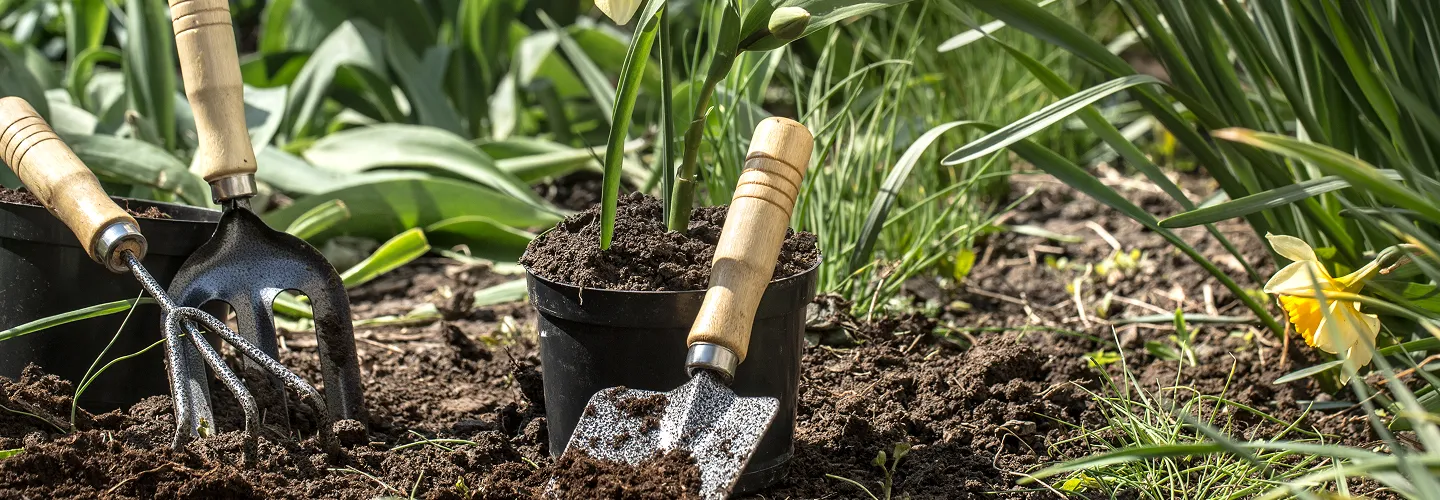
Camelback East Village Green Waste Disposal Services
Choose our Green Waste Disposal service for reliable, environmentally responsible removal that keeps your property pristine and supports a healthier planet.
Get a Free QuoteOur Camelback East Village Landscaping & Yard Care Services
When to Schedule Green Waste Disposal in Camelback East Village, Arizona – Seasonal Guide
In Camelback East Village, Arizona, the timing of green waste disposal is closely tied to the area’s unique climate and landscape. With hot, dry summers and mild winters, the optimal periods for scheduling green waste removal are typically late winter through early spring and again in late fall. These windows align with the end of the dormant season and the conclusion of monsoon rains, making it easier to manage accumulated yard debris before new growth or after seasonal storms.
Local neighborhoods such as Arcadia and Biltmore Estates often experience increased green waste following spring pruning and after summer monsoons, when fallen branches and palm fronds are common. Environmental factors like early spring frost dates, the risk of summer drought, and the prevalence of shade from mature trees all play a role in determining the best disposal schedule. Soil types in the area, ranging from sandy to clay-heavy, can also impact how quickly organic material breaks down, influencing the frequency of service. For more information on local guidelines and best practices, visit the Sudbury municipal resource.
Local Factors to Consider for Green Waste Disposal in Camelback East Village
- Tree density and types (e.g., palms, mesquite, citrus)
- Proximity to the Arizona Canal or Papago Park
- Seasonal precipitation and monsoon activity
- Municipal restrictions on disposal and collection schedules
- Terrain variations, from flat lots to hillside properties
- Shade coverage affecting debris accumulation
- Soil composition impacting decomposition rates
Benefits of Green Waste Disposal in Camelback East Village
Eco-Friendly Landscaping Solutions
Efficient Green Waste Removal
Promotes Healthy Plant Growth
Reduces Landfill Waste
Enhances Curb Appeal
Supports Sustainable Practices
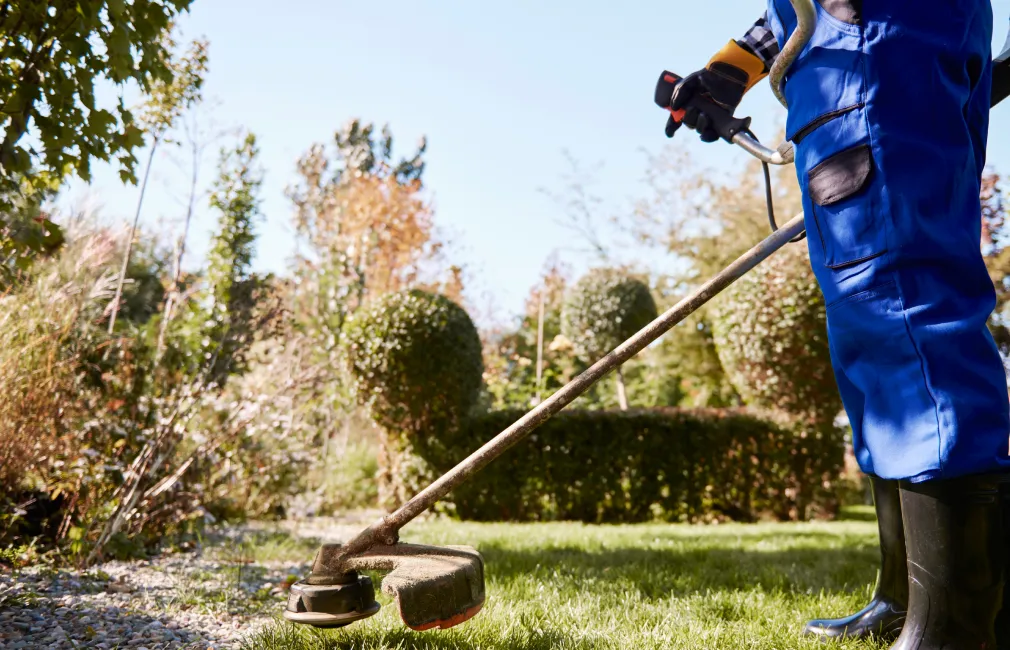
Camelback East Village Green Waste Disposal Types

Grass Clippings
-
Tree Branches
-
Shrub Trimmings
-
Leaves Collection
-
Palm Fronds
-
Weed Removal
-
Garden Debris
Our Green Waste Disposal Process
Collection of Green Waste
Sorting and Separation
Transport to Disposal Facility
Eco-Friendly Processing
Why Choose Camelback East Village Landscape Services
-
Camelback East Village Homeowners Trust Us
-
Expert Lawn Maintenance
-
Reliable Irrigation Solutions
-
Competitive Pricing
-
Professional Team
-
Satisfaction Guarantee
-
Personalized Service
Coordinating Green Waste Disposal Through Phoenix Public Works in Camelback East Village
Camelback East Village falls within the City of Phoenix's municipal solid waste service area, meaning residents and property managers must follow Phoenix's established protocols for green waste disposal. The city operates scheduled bulk trash collection on a rotating basis by neighborhood, and green waste—including tree trimmings, shrub clippings, grass cuttings, and other organic yard debris—is accepted during designated collection periods. Property owners should verify their specific collection schedule through the city's Public Works Department, as pickup windows vary by address and are not uniform across the village.
- Green waste must be placed curbside within the designated timeframe preceding scheduled bulk collection
- Organic materials should be separated from household trash, construction debris, and hazardous waste
- Loose green waste should be cut to manageable lengths and stacked neatly near the curb without blocking sidewalks or drainage inlets
- Commercial landscape contractors generating green waste on residential or commercial properties are generally responsible for hauling and disposing of that material independently through licensed transfer stations
Residents with questions about accepted materials or collection logistics should contact the appropriate municipal department directly.
Phoenix Public Works Department
200 W. Washington St., Phoenix, AZ 85003
Official Website: Phoenix Public Works Department
How Camelback East Village's Desert Heat and Monsoons Affect Green Waste Accumulation
Camelback East Village sits squarely in the Phoenix metro low desert, classified within USDA Hardiness Zone 10a, where extreme summer temperatures routinely exceed 110°F and monsoon storms arrive between June and September. These conditions directly influence the volume, timing, and character of green waste generated across the village.
- Rapid organic decomposition: Summer heat accelerates the breakdown of clippings and trimmings left on-site, which can attract pests and produce odors if not removed promptly
- Monsoon debris surges: High winds and intense rainfall during monsoon events snap branches from mesquite, palo verde, and other desert-adapted trees, generating sudden volumes of woody debris that must be cleared from yards, washes, and drainage corridors
- Alkaline, caliche-bearing soils: The predominant soil profile in Camelback East Village includes alkaline sandy loam and subsurface caliche layers, which limit on-site composting effectiveness and make proper off-site disposal the more practical option
- Irrigation-driven growth cycles: Properties with drip-irrigated landscape beds or flood-irrigated turf produce green waste year-round, with peak volumes during the active bermudagrass growing season from April through October
Understanding these local conditions helps property owners anticipate disposal needs rather than reacting after debris has already accumulated near storm drains or wash edges. The USDA Plant Hardiness Zone Map confirms the zone classification relevant to plant material and growth patterns in this area.
Stormwater Compliance and Disposal Regulations Governing Green Waste in Camelback East Village
Green waste disposal in Camelback East Village is subject to both municipal code enforcement and state-level environmental regulations. The City of Phoenix operates under a Phase II Municipal Separate Storm Sewer System (MS4) permit administered by the Arizona Department of Environmental Quality, which prohibits the discharge of organic debris, sediment, and yard waste into the municipal storm drain system. This means green waste must never be swept, blown, or dumped into curb inlets, retention basins, or drainage channels.
- Property owners and contractors must keep green waste away from washes, arroyos, and flood-control channels that drain through the village toward the Arizona Canal and Indian Bend Wash corridor
- Illegal dumping of green waste on vacant lots, in desert preserves, or along rights-of-way is a code violation subject to enforcement by the city
- Commercial landscape operators transporting green waste must use covered or secured loads to prevent material from scattering onto roadways, consistent with Arizona DEQ stormwater best management practices
- Noxious or invasive plant material, such as buffelgrass, should be bagged separately and disposed of properly to prevent seed dispersal, in alignment with guidance from the Arizona Department of Agriculture
The Phoenix Office of Environmental Programs provides additional guidance on sustainability and environmental compliance for waste handling within city limits.
Phoenix Office of Environmental Programs
200 W. Washington St., Phoenix, AZ 85003
Official Website: Phoenix Office of Environmental Programs
Timing and Methods for Professional Green Waste Disposal in Camelback East Village
Effective green waste disposal in the low desert requires attention to seasonal timing, material handling, and site protection. Professional standards in Camelback East Village reflect the unique demands of the Phoenix metro climate and the village's mix of residential, commercial, and multi-family properties.
- Pre-monsoon clearing (May–June): Remove accumulated dead branches, palm frond drops, and dried organic material before monsoon winds can scatter debris into streets and drainage infrastructure
- Post-storm response: After significant monsoon events, prioritize clearing fallen limbs and wind-deposited green waste from driveways, sidewalks, and curb inlets to maintain drainage flow
- Bundling and sizing: Woody material should be cut to lengths that allow safe curbside stacking or efficient loading for transport to licensed disposal facilities
- Separation of materials: Green waste should be kept separate from soil, rock, construction debris, and non-organic refuse to ensure it qualifies for organic processing at transfer stations
The Phoenix Urban Forest program provides context on tree management practices that influence the type and volume of woody green waste generated across the city's urban canopy. Property managers overseeing larger sites should coordinate disposal logistics with the Phoenix City Engineer when green waste removal involves grading, drainage, or right-of-way access considerations.
Phoenix City Engineer
200 W. Washington St., Phoenix, AZ 85003
Official Website: Phoenix City Engineer
What Neighborhoods Do We Serve Throughout Camelback East Village, AZ?
- Arcadia: Mature citrus groves, large irrigated lots, and established shade trees generate substantial seasonal green waste requiring regular disposal coordination
- Biltmore Area: Dense ornamental landscaping around resort-adjacent properties produces consistent volumes of hedge trimmings, palm debris, and flower bed waste
- Camelback Corridor: Mixed commercial and residential frontage along Camelback Road creates green waste from both streetscape maintenance and private landscape upkeep
- Paradise Valley Oasis: Larger residential parcels with extensive desert-adapted plantings and irrigated turf areas produce varied organic debris throughout the growing season
- Mummy Mountain Foothills: Sloped lots near Camelback Mountain and adjacent preserves require careful debris management to prevent green waste from migrating into natural drainage paths
- Cheery Lynn: Older residential blocks with established mesquite and palo verde canopies generate woody debris, particularly following monsoon wind events