
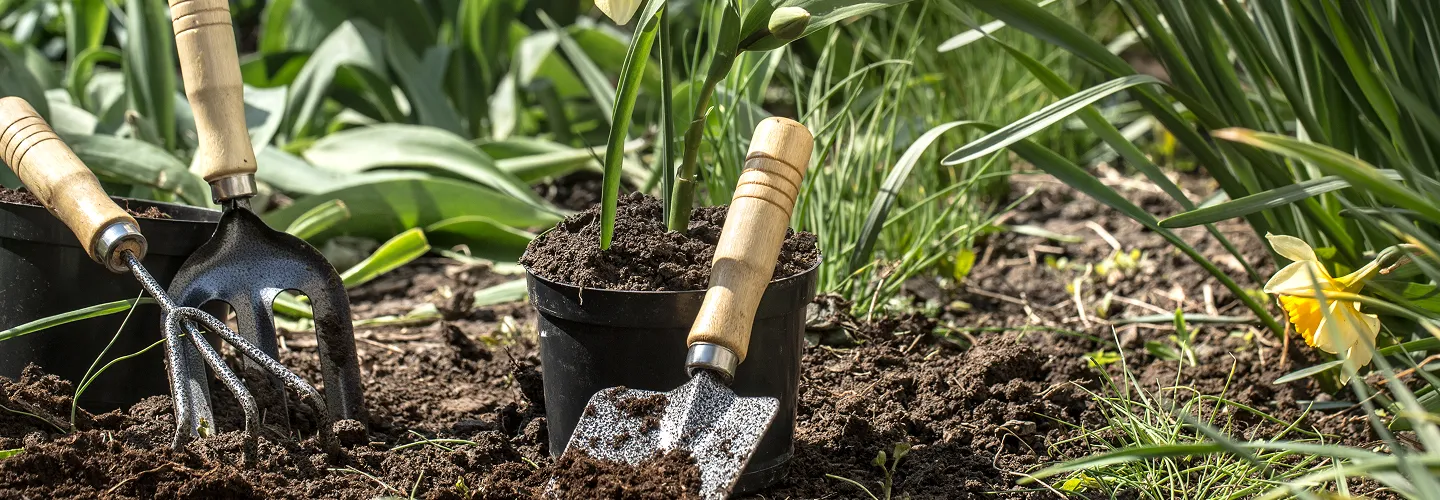
Camelback East Village Lawn Renovation Services
Choose our Lawn Renovation services for expert care, premium materials, and a commitment to transforming your yard into a lush, healthy, and beautiful landscape that enhances your home's value and curb appeal.
Get a Free QuoteOur Camelback East Village Landscaping & Yard Care Services
When to Schedule Lawn Renovation in Camelback East Village, Arizona – Seasonal Guide
Timing your lawn renovation in Camelback East Village is crucial for achieving a lush, resilient yard that thrives in our unique desert climate. The best periods for renovation are typically late spring and early fall, when temperatures are moderate and the risk of extreme heat or unexpected frost is minimal. Neighborhoods near Piestewa Peak and along the Arizona Canal often experience microclimates, so it’s important to consider your specific location when planning.
Local environmental factors such as the region’s alkaline soil, sporadic rainfall, and the prevalence of shaded areas under mature mesquite and palo verde trees all play a role in determining the optimal renovation window. Homeowners should also be mindful of municipal watering restrictions and the increased drought risk during the summer months. For more detailed information on local climate patterns and regulations, consult the official city resources.
Local Factors to Consider for Lawn Renovation in Camelback East Village
- Tree density and shade coverage, especially in Arcadia Lite and Biltmore neighborhoods
- Soil composition and drainage, which can vary near the Phoenix Mountains Preserve
- Seasonal precipitation patterns and monsoon timing
- Frost dates, particularly in lower-lying areas
- Municipal watering schedules and drought advisories
- Terrain slope and sun exposure throughout the day
Benefits of Lawn Renovation in Camelback East Village
Expert Local Landscaping Knowledge
Customized Lawn Renovation Plans
Efficient Project Completion
Eco-Friendly Lawn Solutions
Enhanced Curb Appeal
Comprehensive Maintenance Services
Camelback East Village Lawn Renovation Types

Sod Installation
-
Artificial Turf Replacement
-
Hydroseeding Services
-
Soil Amendment and Grading
-
Drought-Tolerant Lawn Conversion
-
Weed and Pest Lawn Restoration
-
Seasonal Lawn Overseeding
Our Lawn Renovation Process
Site Evaluation
Soil Preparation
Seeding or Sodding
Watering and Fertilization
Ongoing Maintenance
Why Choose Camelback East Village Landscape Services
-
Camelback East Village Homeowners Trust Us
-
Expert Lawn Maintenance
-
Reliable Irrigation Solutions
-
Competitive Pricing
-
Professional Team
-
Satisfaction Guarantee
-
Personalized Service
Coordinating Lawn Renovation Projects with Camelback East Village's Municipal Departments
Lawn renovation in Camelback East Village requires coordination with several City of Phoenix departments, particularly when projects involve grade correction, irrigation system modifications, or soil import that may affect drainage patterns. Residents and property managers should confirm whether site work triggers review through the Planning and Development Department, especially on properties adjacent to washes, retention basins, or public rights-of-way. Green waste generated during turf removal and soil preparation must be handled in accordance with city bulk collection rules administered by the Public Works Department. Before beginning renovation work, property owners should verify current water-use guidelines through the Water Services Department, as irrigation demands increase substantially during turf establishment periods.
- Confirm grading and drainage impacts with the city engineer before altering existing lot grades
- Coordinate green waste and debris removal through city bulk pickup or approved hauling
- Review irrigation capacity and water-use expectations with the water utility before expanding turf coverage
- Verify zoning or site-plan compliance if renovation changes the landscape footprint near setback lines
Phoenix Planning & Development Department
200 W. Washington St., Phoenix, AZ 85003
Official Website: Phoenix Planning & Development Department
Phoenix Public Works Department
200 W. Washington St., Phoenix, AZ 85003
Official Website: Phoenix Public Works Department
How Camelback East Village's Desert Soils and Heat Affect Lawn Renovation Outcomes
Camelback East Village sits within the Phoenix metro low desert, classified in USDA Hardiness Zone 10a, where summer surface temperatures routinely exceed 110°F and soils are subject to extreme drying between irrigation cycles. The predominant soil profiles in this area include alkaline sandy loam, compacted subdivision fill, and intermittent caliche layers that restrict root penetration and water infiltration. These conditions directly influence every phase of lawn renovation, from soil amendment depth to irrigation scheduling during turf recovery.
- Caliche obstruction: Hardpan caliche layers may require mechanical breaking or removal before new turf can establish adequate root depth, particularly in older subdivisions where original grading was minimal
- Alkaline pH: Soil pH commonly ranges above 7.5, which limits nutrient availability for bermudagrass and ryegrass unless corrected with sulfur-based amendments during renovation
- Salt accumulation: Repeated irrigation with mineral-laden municipal water concentrates salts in the root zone, often requiring leaching cycles as part of any renovation protocol
- Reflected heat: Block walls, concrete patios, and decomposed granite borders radiate heat onto adjacent turf edges, accelerating stress on newly renovated areas
The University of Arizona Cooperative Extension provides region-specific guidance on soil correction and turf recovery strategies suited to low-elevation Arizona conditions.
Navigating Stormwater Compliance and Permit Requirements for Camelback East Village Lawn Renovation
Lawn renovation projects that involve regrading, soil import, or significant irrigation changes must account for stormwater management obligations under the City of Phoenix's Phase II MS4 permit, administered in coordination with Arizona DEQ stormwater programs. Sediment, soil amendments, and organic debris must not enter storm drains, curb inlets, or adjacent wash corridors during or after renovation work. The Clean Water Act establishes the federal framework for these protections, and local enforcement applies to residential and commercial properties alike.
- Erosion control measures such as silt barriers or fiber rolls should be in place before any soil disturbance near drainage paths
- Fertilizers and soil amendments applied during renovation must be incorporated into the soil profile rather than left on impervious surfaces where runoff can carry them offsite
- Properties adjacent to flood-control channels or retention basins may require additional review through the City Engineer's office to confirm that grade changes do not alter established drainage patterns
- Pesticide applicators performing weed treatment as part of renovation must hold valid credentials through the Arizona Department of Agriculture
Phoenix City Engineer
200 W. Washington St., Phoenix, AZ 85003
Official Website: Phoenix City Engineer
Timing and Methods for Lawn Renovation in Camelback East Village's Climate
Professional lawn renovation in the low desert follows a seasonal framework dictated by bermudagrass growth cycles and extreme summer heat. The Turfgrass Maintenance Guide for Low Elevation Arizona from the University of Arizona outlines critical timing windows that apply directly to Camelback East Village properties. Renovation work that includes soil correction, grade repair, and turf reestablishment should be sequenced to align with active bermudagrass growth between late April and early September, when soil temperatures consistently exceed 65°F at the four-inch depth.
- Soil correction: Amend compacted or salt-damaged soils with gypsum and organic matter, tilling to a depth of at least four to six inches before replanting
- Grade repair: Address low spots, settlement areas, and scalping zones by adding screened topsoil blended to match existing soil texture, then compacting lightly to prevent future settling
- Irrigation audit: Test all zones for uniformity, head-to-head coverage, and pressure consistency before laying sod or seeding; repair or replace heads that create dry spots or overspray onto hardscape
- Turf reestablishment: Bermudagrass sod or hybrid bermuda plugs establish most reliably when installed during sustained heat, with frequent short irrigation cycles tapering to deeper, less frequent watering over four to six weeks
- Overseeding coordination: If winter ryegrass overseeding is planned as part of the renovation cycle, schedule final bermudagrass establishment no later than mid-August to allow adequate maturity before fall transition
Verify current watering restrictions and drought-stage guidelines with the Phoenix Water Services Department before setting establishment irrigation schedules, as allowable watering days and times may vary by season.
What Neighborhoods Do We Serve Throughout Camelback East Village, AZ?
- Arcadia: Established lots with mature citrus and shade trees often present mixed sun-and-shade turf conditions requiring targeted renovation approaches for bermudagrass recovery under canopy edges
- Biltmore Area: Large irrigated lawns on older subdivision fill may exhibit salt accumulation and compaction, making soil correction and irrigation audits essential components of any renovation project
- Camelback Corridor: Commercial and multifamily properties along this corridor face intense reflected heat from adjacent parking surfaces and building walls, demanding heat-tolerant turf selections and precise irrigation coverage
- Paradise Valley Oasis: Properties near wash corridors require careful grade management during renovation to maintain existing drainage flow and prevent sediment migration into protected channels
- Cheery Lynn: Smaller residential lots with aging irrigation infrastructure benefit from full-system audits during renovation to correct coverage gaps and reduce water waste
- Camelback Country Estates: Larger estate-style parcels with expansive turf areas often require phased renovation to manage water demand and ensure uniform establishment across the full landscape