
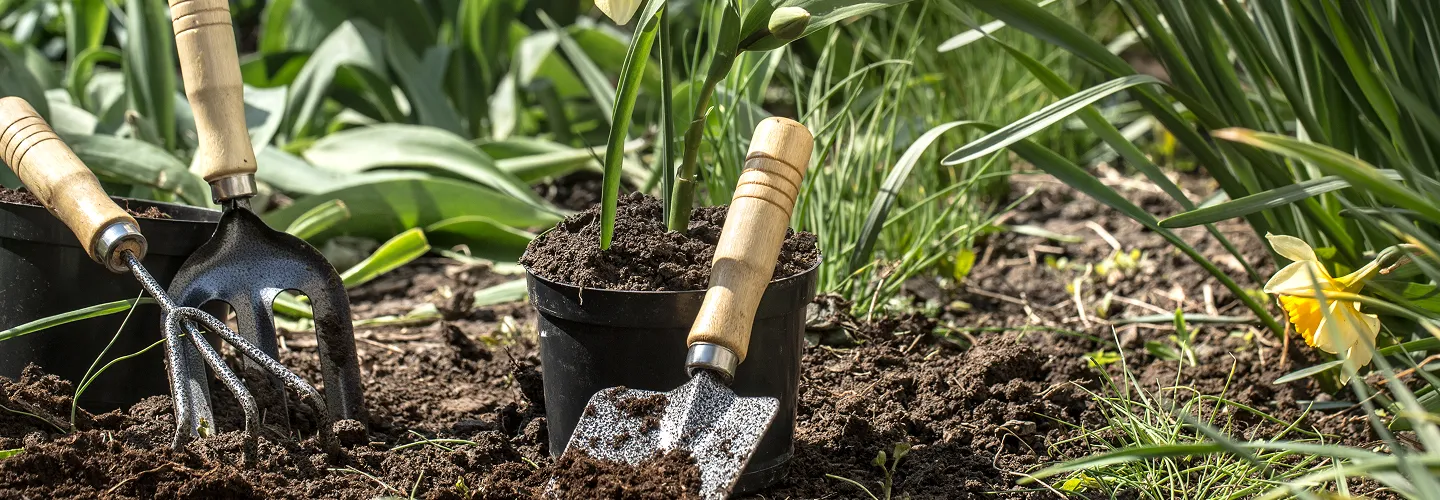
Camelback East Village Hedging Services
Choose our professional hedging services for precise shaping, healthy growth, and a lush, manicured look that enhances your property's curb appeal and privacy year-round.
Get a Free QuoteOur Camelback East Village Landscaping & Yard Care Services
When to Schedule Hedging in Camelback East Village, Arizona – Seasonal Guide
In Camelback East Village, Arizona, the best times to schedule hedging are typically late winter through early spring and again in late summer. These periods align with the region’s unique climate, where mild winters and hot, dry summers shape the growth cycles of local shrubs and hedges. Timing your hedging before the onset of intense summer heat helps plants recover quickly and maintain their health, while a second trim in late summer can tidy up growth before cooler weather arrives.
Local environmental factors play a significant role in determining the optimal hedging schedule. For example, neighborhoods near the Arizona Canal or around Piestewa Peak often experience microclimates with varying humidity and shade coverage. Soil types can range from sandy to clay-heavy, affecting water retention and plant vigor. It’s also important to consider the area’s average last frost date in early February and the potential for drought conditions, which can impact how and when hedging should be performed. For more information on local environmental guidelines, visit the Sudbury municipal resource.
Local Factors to Consider for Hedging in Camelback East Village
- Tree and shrub density in your yard
- Proximity to landmarks like Piestewa Peak or the Arizona Canal
- Soil composition (sandy vs. clay-heavy)
- Average precipitation and drought risk
- Shade coverage from mature trees or nearby structures
- Municipal restrictions or neighborhood association guidelines
Benefits of Hedging in Camelback East Village
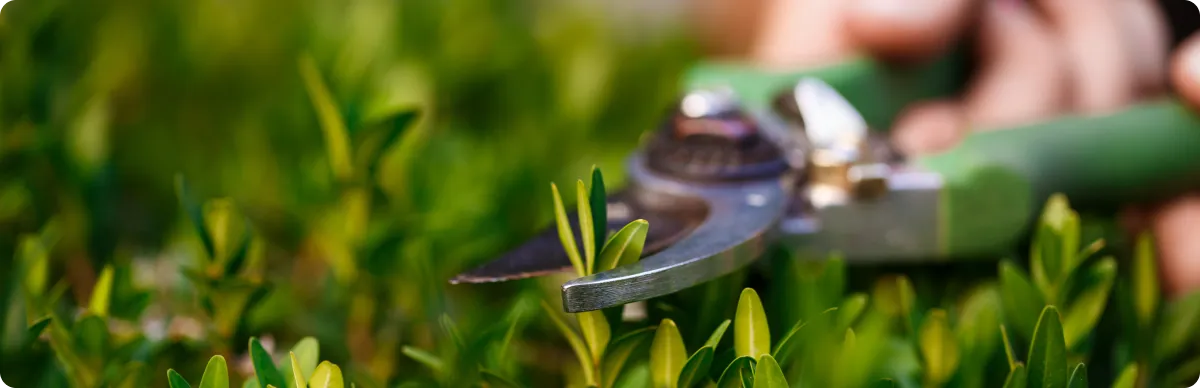
Enhanced Property Privacy
Improved Curb Appeal
Natural Noise Reduction
Low Maintenance Landscaping
Increased Property Value
Eco-Friendly Green Solutions
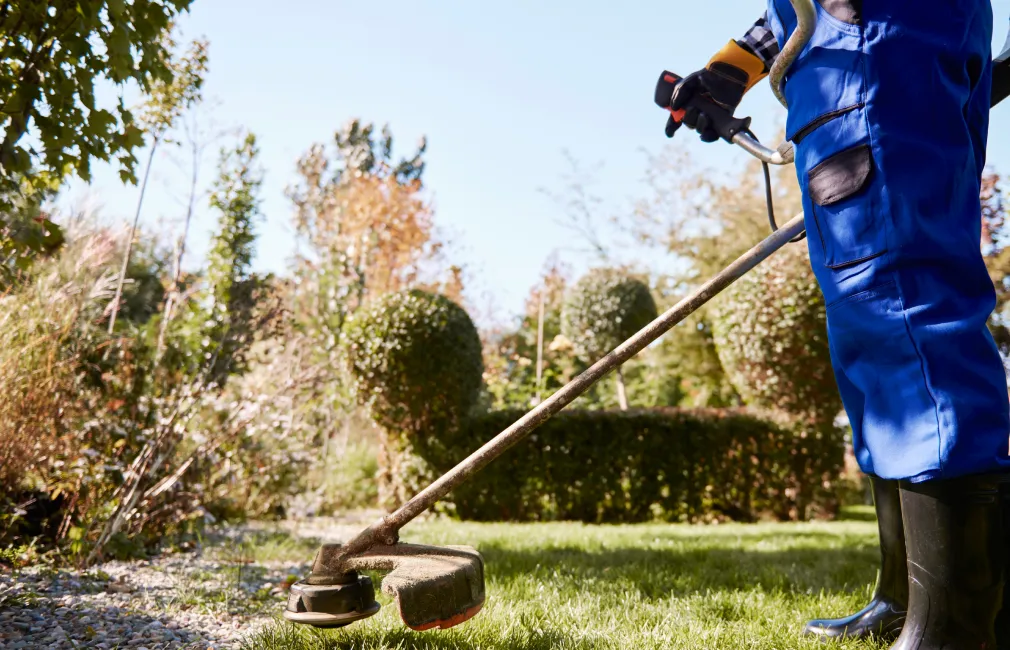
Camelback East Village Hedging Types

Boxwood Hedges
-
Privet Hedges
-
Oleander Hedges
-
Ficus Nitida Hedges
-
Texas Sage Hedges
-
Hopseed Bush Hedges
-
Pittosporum Hedges
Our Hedging Process
Consultation and Planning
Site Preparation
Precision Trimming
Cleanup and Inspection
Why Choose Camelback East Village Landscape Services
-
Camelback East Village Homeowners Trust Us
-
Expert Lawn Maintenance
-
Reliable Irrigation Solutions
-
Competitive Pricing
-
Professional Team
-
Satisfaction Guarantee
-
Personalized Service
Coordinating Hedging Services with Phoenix Municipal Programs in Camelback East Village
Camelback East Village is an urban village within the City of Phoenix, and hedging work on residential and commercial properties falls under several municipal coordination points. Property owners should be aware that hedge plantings along sidewalks, driveways, and street frontages may be subject to sight-visibility requirements enforced through city code compliance. Overgrown hedges that encroach into public rights-of-way or obstruct pedestrian paths can trigger code enforcement action. The Phoenix Parks and Recreation Department oversees urban forestry standards that may apply when hedging borders public parkways or medians, and the Phoenix Urban Forest program provides guidance on vegetation management in public-facing areas.
- Verify whether hedge plantings along property frontage comply with sight-triangle requirements at intersections and driveway aprons
- Coordinate green waste disposal from hedge trimmings through the city's bulk collection or approved hauling procedures
- Confirm that hedges adjacent to public sidewalks do not reduce the required clear pedestrian passage width
Phoenix Parks & Recreation Department
Official Website: Phoenix Parks & Recreation Department
How Camelback East Village's Low-Desert Heat and Soils Affect Hedge Health
Camelback East Village sits within the Phoenix metro low-desert environment, classified in USDA Hardiness Zone 10a, where summer temperatures routinely exceed 110°F and annual rainfall averages under eight inches. These conditions directly influence hedge species selection, irrigation demand, and shaping schedules. Soils across much of the village area tend toward alkaline sandy loam with caliche layers at varying depths, which restricts root penetration and affects water infiltration around hedge root zones. Reflected heat from block walls, concrete driveways, and decomposed granite surfaces intensifies thermal stress on hedge foliage, particularly on south- and west-facing exposures.
- Alkaline soil pH (commonly 7.5–8.5) can cause iron chlorosis in non-adapted hedge species such as boxwood or privet unless soil amendments or chelated iron applications are provided
- Caliche hardpan may require mechanical breaking during initial hedge installation to allow adequate root development and drainage
- Monsoon-season runoff from July through September can erode mulch and expose shallow hedge roots, requiring post-storm inspection and re-grading
- Reflected heat from adjacent hardscape can raise canopy temperatures well above ambient air, accelerating moisture loss and leaf scorch on exposed hedge faces
Navigating Camelback East Village's Zoning and Compliance Rules for Hedging
Hedge maintenance and installation in Camelback East Village must align with Phoenix zoning ordinances that govern vegetation height, setback encroachment, and screening requirements. Properties in certain zoning districts may be required to maintain landscape screening hedges as a condition of development approval, and allowing those hedges to deteriorate or die may constitute a zoning violation. The Phoenix Planning & Development Department administers zoning compliance, and property owners can review applicable zoning designations through the city's zoning maps to determine whether specific hedge screening obligations apply to their parcel.
- Hedge height along property lines may be regulated differently in residential versus commercial zoning districts; verify current requirements with the Planning & Development Department before removing or significantly reducing established hedges
- Commercial properties with required landscape screening buffers should maintain hedge density and health to remain in compliance with approved site plans
- Any application of pesticides or growth regulators to hedges must be performed by individuals holding appropriate credentials under the Arizona Department of Agriculture's licensing program
- Stormwater compliance under Arizona DEQ's MS4 program requires that hedge clippings and organic debris not be deposited into storm drains, washes, or retention basins
Phoenix Planning & Development Department
Official Website: Phoenix Planning & Development Department
Phoenix Public Works Department
Official Website: Phoenix Public Works Department
Timing and Methods for Professional Hedging in Camelback East Village's Climate
Professional hedging in the low desert requires careful timing to avoid heat damage and to align with plant growth cycles. Most desert-adapted hedge species used in Camelback East Village—including oleander, Texas sage (Leucophyllum frutescens), Arizona yellow bells (Tecoma stans), and Indian hawthorn—respond well to shaping during their active growth periods but are vulnerable to sunburn and dieback if heavily pruned during peak summer heat. The Arizona Department of Water Resources encourages the use of low-water-use species for hedging, which aligns with the irrigation realities of the Phoenix Active Management Area.
- Primary shaping window: Late February through mid-April, when temperatures are moderate and plants are entering active spring growth, allowing rapid recovery and dense regrowth before summer
- Secondary shaping window: Late September through early November, after monsoon stress has subsided and before winter dormancy reduces recovery capacity
- Avoid heavy shaping: From mid-May through mid-September, when extreme heat can cause exposed inner wood to sunscald and newly cut surfaces to desiccate rapidly
- Irrigation coordination: Increase irrigation frequency slightly for one to two weeks following significant hedge shaping to support recovery; ensure drip emitters or bubblers are positioned to reach the full root zone rather than only the hedge base
- Clipping management: Collect all hedge clippings promptly to prevent material from washing into storm drains or retention basins during monsoon events; dispose of green waste through approved city bulk collection or licensed hauling
What Neighborhoods Do We Serve Throughout Camelback East Village, AZ?
- Arcadia — Mature citrus and oleander hedges on larger irrigated lots require regular shaping cycles to maintain form and prevent overgrowth into neighboring properties or alley access points
- Biltmore Area — Established estate-style landscaping with formal hedge borders often subject to HOA appearance standards and sight-line requirements along private drives
- Camelback Corridor — Mixed commercial and residential frontages where hedge screening may be required under approved site plans, demanding consistent maintenance to remain in zoning compliance
- Paradise Valley Oasis — Properties near wash corridors where hedge root zones interact with drainage flow paths, requiring attention to erosion control and runoff management during monsoon season
- Cheery Lynn — Older residential lots with mature hedge plantings that may need rejuvenation pruning to address interior deadwood and restore density after years of minimal maintenance
- Camelback East proper — Subdivisions with block-wall perimeters where reflected heat intensifies stress on hedge foliage, making species selection and irrigation placement critical to long-term hedge health