
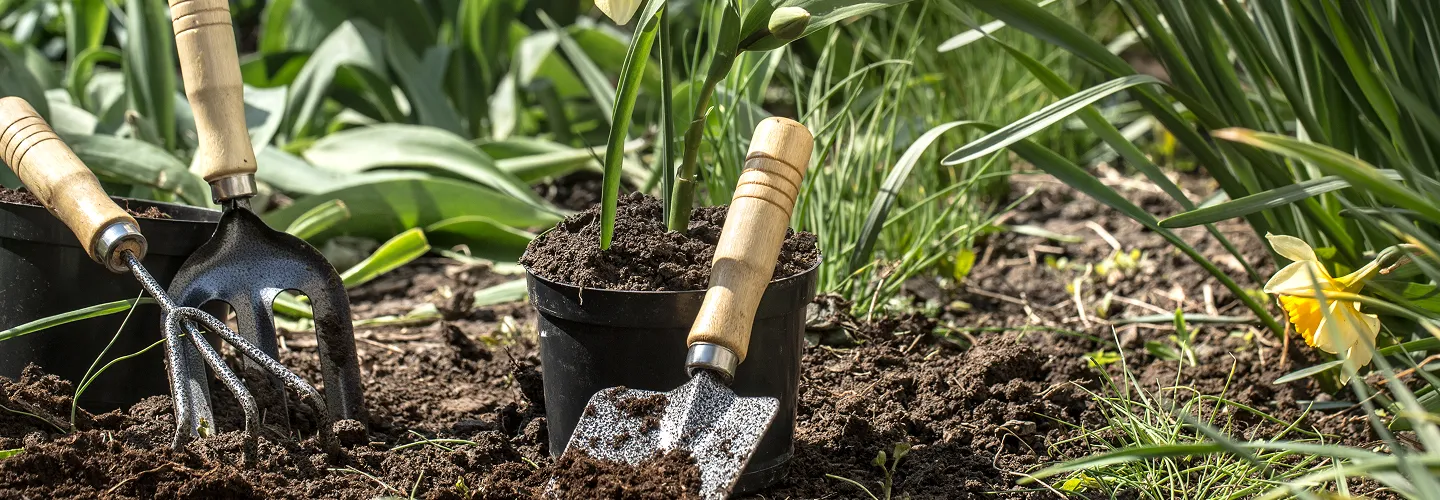
Camelback East Village Brush Removal Services
Choose our expert brush removal services for safe, efficient clearing that boosts your property's beauty and value—handled by a trusted local team committed to your satisfaction.
Get a Free QuoteOur Camelback East Village Landscaping & Yard Care Services
When to Schedule Brush Removal in Camelback East Village, Arizona – Seasonal Guide
In Camelback East Village, timing your brush removal is crucial for maintaining both curb appeal and fire safety. The area’s unique climate—marked by hot, dry summers and mild winters—means that the best periods for brush removal are typically late winter through early spring, before the onset of peak heat and drought conditions. Neighborhoods near Piestewa Peak and along the Arizona Canal often experience rapid vegetation growth after winter rains, making early spring an ideal window for clearing brush and reducing wildfire risk.
Local environmental factors such as the region’s alkaline soil, sporadic rainfall, and the prevalence of shade from mature mesquite and palo verde trees all play a role in determining the optimal schedule. Homeowners should also consider municipal guidelines and seasonal restrictions, which can be found on the official city website, to ensure compliance and maximize the effectiveness of their brush removal efforts.
Local Factors to Consider for Brush Removal in Camelback East Village
- Tree density and type (e.g., mesquite, palo verde, and oleander)
- Proximity to natural preserves or landmarks like Piestewa Peak
- Seasonal precipitation patterns and drought risk
- Soil composition and drainage
- Shade coverage and sun exposure
- Municipal restrictions and neighborhood association guidelines
- Terrain slope and accessibility
Benefits of Brush Removal in Camelback East Village
Enhanced Curb Appeal
Improved Property Safety
Reduced Fire Hazards
Healthier Plant Growth
Increased Usable Space
Professional and Efficient Service
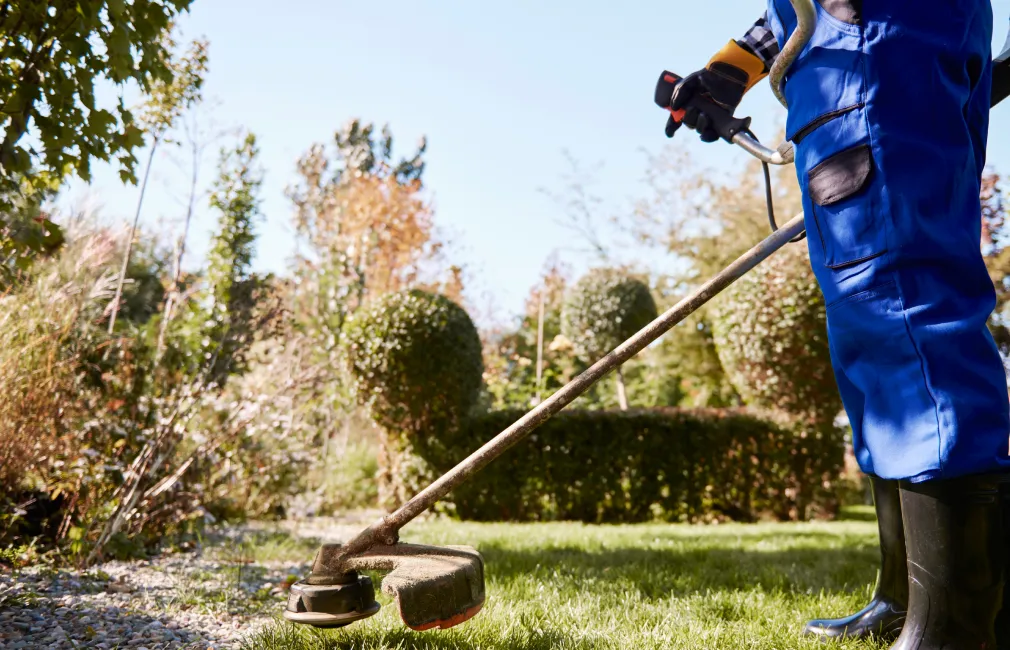
Camelback East Village Brush Removal Types

Manual Brush Clearing
-
Mechanical Brush Removal
-
Selective Brush Thinning
-
Brush Mulching
-
Controlled Burning
-
Herbicide Application
-
Brush Hauling and Disposal
Our Brush Removal Process
Site Evaluation
Safety Preparation
Brush Clearing
Debris Removal
Final Inspection
Why Choose Camelback East Village Landscape Services
-
Camelback East Village Homeowners Trust Us
-
Expert Lawn Maintenance
-
Reliable Irrigation Solutions
-
Competitive Pricing
-
Professional Team
-
Satisfaction Guarantee
-
Personalized Service
Coordinating Brush Removal Through Phoenix Public Works in Camelback East Village
Camelback East Village is a designated urban village within the City of Phoenix, and all brush removal activities fall under Phoenix's municipal waste and right-of-way management framework. Residents and property managers should coordinate brush disposal through the city's bulk trash collection program, which accepts bundled vegetation and brush piles placed curbside during scheduled pickup periods. Verify current collection schedules and bundling requirements directly with the department, as accepted dimensions and placement rules may change seasonally.
- Brush and vegetation debris must be separated from household trash and placed at the curb according to the city's designated bulk collection calendar
- Brush piles left in the public right-of-way outside of scheduled collection windows may result in code enforcement action
- Commercial-scale brush removal projects typically require private hauling to an approved transfer station or green waste facility
- Property owners adjacent to washes or drainage corridors should confirm whether right-of-way clearance requires coordination with the Phoenix City Engineer
Phoenix Public Works Department
200 W. Washington St., Phoenix, AZ 85003
Official Website: Phoenix Public Works Department
How Camelback East Village's Desert Heat and Soils Affect Brush Removal
Camelback East Village sits squarely in the Phoenix metro low desert, classified within USDA Hardiness Zone 10a to 10b. The area's extreme summer temperatures—regularly exceeding 110°F—accelerate the drying and brittleness of cut brush, which can become a fire hazard if left staged on-site for extended periods. Several site conditions directly influence how brush removal should be planned and executed in this village:
- Alkaline, calcareous soils: Much of Camelback East Village is underlain by alkaline sandy loam and decomposed granite, often with caliche hardpan at shallow depth. Root systems of desert shrubs such as brittlebush, creosote, and bursage can anchor into caliche layers, making extraction more labor-intensive than in loamy soils.
- Monsoon runoff behavior: During the July through September monsoon season, intense rainfall events generate rapid sheet flow across hardpan and compacted desert surfaces. Brush piles left near washes, retention basins, or curb inlets can obstruct drainage and contribute to localized flooding.
- Reflected heat from hardscape: Residential lots bordered by block walls, concrete driveways, and decomposed granite yards amplify radiant heat, which dries cut vegetation rapidly and increases dust generation during removal operations.
Navigating Stormwater and Disposal Regulations for Brush Removal in Camelback East Village
Brush removal in Camelback East Village must comply with both municipal code and state-level environmental regulations. Phoenix operates under the Arizona DEQ Phase II MS4 stormwater program, which requires that vegetation debris, sediment, and organic material be prevented from entering the municipal storm sewer system. The Clean Water Act provides the federal framework for these protections.
- Cut brush, trimmings, and root material must not be pushed into washes, flood-control channels, retention basins, or street inlets
- Staging areas for brush piles should be located away from drainage flow paths, particularly during monsoon season
- Large-scale clearing on parcels adjacent to Camelback Mountain preserves or designated natural open space may trigger review through the Phoenix Planning & Development Department depending on zoning overlay and site sensitivity
- Disposal of brush through open burning is prohibited within Phoenix city limits; all removed vegetation must be hauled to an approved facility or placed for scheduled bulk collection
The Phoenix Office of Environmental Programs provides additional guidance on sustainability practices and environmental compliance relevant to vegetation management on residential and commercial parcels.
Phoenix Office of Environmental Programs
200 W. Washington St., Phoenix, AZ 85003
Official Website: Phoenix Office of Environmental Programs
Timing and Methods for Professional Brush Removal in Camelback East Village
Scheduling brush removal in Camelback East Village requires attention to seasonal weather patterns, site access logistics, and worker safety in extreme heat. The following professional standards and timing considerations apply:
- Pre-monsoon clearance (May–June): The most critical window for brush removal is before the monsoon season begins in early July. Clearing dead vegetation, accumulated trimmings, and overgrown shrub mass reduces the risk of debris mobilization during storm events and minimizes fire-ignition fuel loads on properties near Camelback Mountain and Mummy Mountain slopes.
- Early morning operations: During summer months, brush removal crews typically begin work before sunrise to avoid peak heat exposure. Operations involving mechanical cutting or chipping should be completed before midday when ambient temperatures and surface heat become hazardous.
- Post-storm debris response: Following significant monsoon events, broken branches, dislodged shrubs, and wind-deposited brush may accumulate along fence lines, in retention basins, and across drainage easements. Prompt removal prevents secondary blockage during subsequent storms.
- Chipping and hauling: Cut brush is typically processed through mechanical chippers on-site when lot access permits, reducing volume for transport. On properties with narrow side yards or gated access, manual bundling and staged removal may be necessary.
Phoenix Fire Department
150 S. 12th St., Phoenix, AZ 85034
Official Website: Phoenix Fire Department
What Neighborhoods Do We Serve Throughout Camelback East Village, AZ?
- Arcadia: Mature citrus trees and established oleander hedges on larger irrigated lots generate significant seasonal brush volume, often requiring coordinated removal with irrigation system protection.
- Biltmore Area: Properties near the Arizona Biltmore feature dense ornamental landscaping and mature shade trees, with brush accumulation concentrated along block-wall perimeters and common-area boundaries.
- Camelback Corridor: Mixed-use parcels and commercial frontages along Camelback Road require brush clearance that accounts for pedestrian visibility, right-of-way setbacks, and storm-drain inlet protection.
- Paradise Valley Oasis: Residential lots adjacent to wash corridors experience monsoon-deposited brush and debris, necessitating post-storm clearance to maintain drainage flow.
- Mummy Mountain Foothills: Sloped parcels with native desert vegetation require careful brush removal to prevent erosion and preserve slope stability on decomposed granite surfaces.
- Tatum Boulevard Corridor: Properties along this corridor often border retention basins and engineered drainage channels where brush staging must avoid obstructing stormwater infrastructure.